
How Do Weight Loss Pens Work? A Science-Backed Guide
In recent years, weight loss pens have emerged as a popular option for individuals seeking additional support in managing their weight. Combining innovative pharmaceutical technology with clinical research, these devices are designed to offer a measured, science-backed approach to weight management. In this guide, we explore the mechanics behind weight loss pens, examine the scientific principles involved, and discuss their role as part of a broader, holistic plan to enhance overall health and well-being.
The Mechanism of Weight Loss Pens
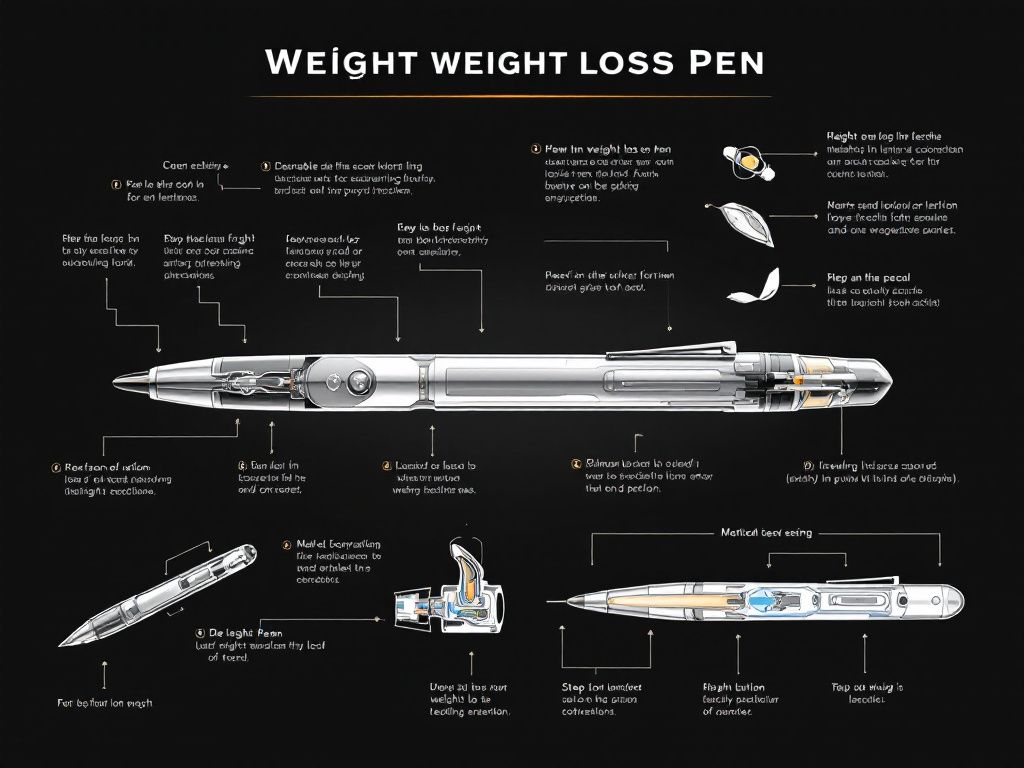
Weight loss pens are typically associated with medications that regulate appetite, improve insulin sensitivity, or modify metabolic processes. These pens often administer medications in very precise doses through subcutaneous injections. The design not only makes them user-friendly and discreet but also ensures consistent delivery of the active compound, which is essential for maintaining steady-state levels in the bloodstream.
Active Compounds and Their Role
The active ingredients in weight loss pens often mimic or enhance naturally occurring hormones such as glucagon-like peptide-1 (GLP-1). GLP-1 agonists, for example, interact with receptors in the brain to decrease hunger signals and delay gastric emptying. This process not only helps control appetite but also contributes to improved glycaemic control. By reducing the desire to eat and supporting insulin regulation, these medications can assist in creating an energy deficit that is necessary for weight loss.
Consistent Dosage for Effective Results
One of the key benefits of weight loss pens is their ability to deliver a consistent dose every time. This level of precision is crucial, as fluctuations in medication levels can lead to variable appetite control and inconsistent metabolic responses. The technology behind these pens is engineered to ensure that the drug is administered at optimal intervals, thereby maximising its efficacy and minimising side effects.
The Science Behind Weight Loss Pens
Scientific studies have increasingly focused on the effects of GLP-1 analogues and other similar compounds. Clinical trials have demonstrated that, when combined with lifestyle interventions such as diet and exercise, these medications can lead to significant weight reductions. Researchers have noted improvements in cardiovascular markers, blood glucose levels, and overall metabolic health among patients using these therapies. This evidence supports the concept that weight loss pens, when used responsibly, can be a valuable component in tackling obesity and related health conditions.
Clinical Insights and Research Findings
Recent clinical studies have indicated that patients who adhere to a regimen involving weight loss pens may experience considerable benefits over time. Some key findings include:
The regulation of appetite, making it easier to adhere to reduced-calorie diets.
A noticeable delay in gastric emptying, which leads to a prolonged feeling of fullness.
Substantial improvements in glycaemic control for patients with type 2 diabetes, highlighting the dual benefits of such treatment.
It is important to note that while these outcomes are promising, the effectiveness of weight loss pens is maximised when integrated into a comprehensive health plan. This typically includes nutritional guidance, behavioural therapy, and regular physical activity.
The Role of Metabolism and Hormonal Balance
The interaction between weight loss pens and the body’s metabolic processes is multifaceted. By emulating or stimulating the body’s natural hormones, these devices help restore hormonal balance, which can often be disrupted in cases of obesity. This restoration is not only pivotal in controlling appetite but also plays a significant role in enhancing the body’s overall energy utilisation, leading to a more effective weight management strategy.
Integrating Weight Loss Pens into a Holistic Health Strategy
While weight loss pens offer a promising solution, their success is deeply intertwined with broader lifestyle adjustments. For travellers and healthcare professionals alike, understanding that these devices are only one element of a successful weight management plan is crucial. Incorporating balanced nutrition, regular physical activity, and mental well-being strategies ensures that users derive maximum benefit from their treatment.
Practical Considerations for Daily Use
For many, the practicality of a weight loss pen is enhanced by its simplicity of use. The design allows for easy self-administration, often without the need for frequent supervision by a healthcare professional. However, regular consultations and follow-ups are recommended to monitor progress and make necessary adjustments. Healthcare professionals can use these consultations to review patient responses, manage any side effects, and update the overall treatment strategy.
Personalising Your Weight Management Journey
No two individuals are the same, and effective weight management requires a customised approach. Weight loss pens are typically prescribed after thorough assessments of the patient’s current health status, lifestyle, and specific health goals. This personalised approach ensures that the treatment is both effective and safe, providing patients with the best possible chance to succeed in their weight loss journey.
Safety, Side Effects, and Monitoring
As with any medication, safety is paramount when considering the use of weight loss pens. While studies have confirmed their efficacy, potential side effects should not be overlooked. Common side effects can include nausea, diarrhoea, and occasional injection site reactions. In many instances, these effects subside as the user’s body adjusts to the medication.
Ensuring Professional Oversight
Healthcare professionals play a critical role in ensuring that patients are well-informed about the potential risks and benefits associated with weight loss pens. By monitoring progress closely, clinicians can make evidence-based decisions, adjusting treatments as necessary to maintain optimal health outcomes. Patients are encouraged to report any adverse reactions promptly, ensuring that timely and appropriate interventions can be made.
Adopting a Cautious Approach
The science behind these devices underscores the importance of a cautious and well-monitored approach. Before beginning any weight loss medication, it is recommended that individuals undergo comprehensive assessments to rule out contraindications. This preliminary step is crucial in safeguarding patient safety and ensuring that the treatment regimen is appropriate for the individual’s overall health profile.
Conclusion: A Promising Avenue for Weight Management
Weight loss pens, supported by robust scientific literature and ongoing clinical research, represent a significant advancement in the field of weight management. By harnessing the power of targeted medication delivery and integrating it within a holistic health strategy, these devices offer substantial benefits for those seeking to manage their weight effectively. For both travellers dealing with the challenges of maintaining routine while on the move and healthcare professionals seeking innovative solutions for their patients, weight loss pens serve as a valuable tool in the modern medical arsenal.
If you are considering integrating weight loss pens into your weight management strategy, or if you have further questions regarding their efficacy and suitability, we encourage you to consult with a healthcare professional. At Preston Pharmacy, we are committed to supporting your journey towards better health. To discuss your options or to book an appointment, please visit our booking page today.